Microsoft Agent 365 Overview
Atlanta, USA

Last updated: 2026-08-04
References
Microsoft Agent 365 is the control plane for enterprise agent ecosystems. It helps organizations observe, govern, and secure agents across platforms, business units, and delivery models.
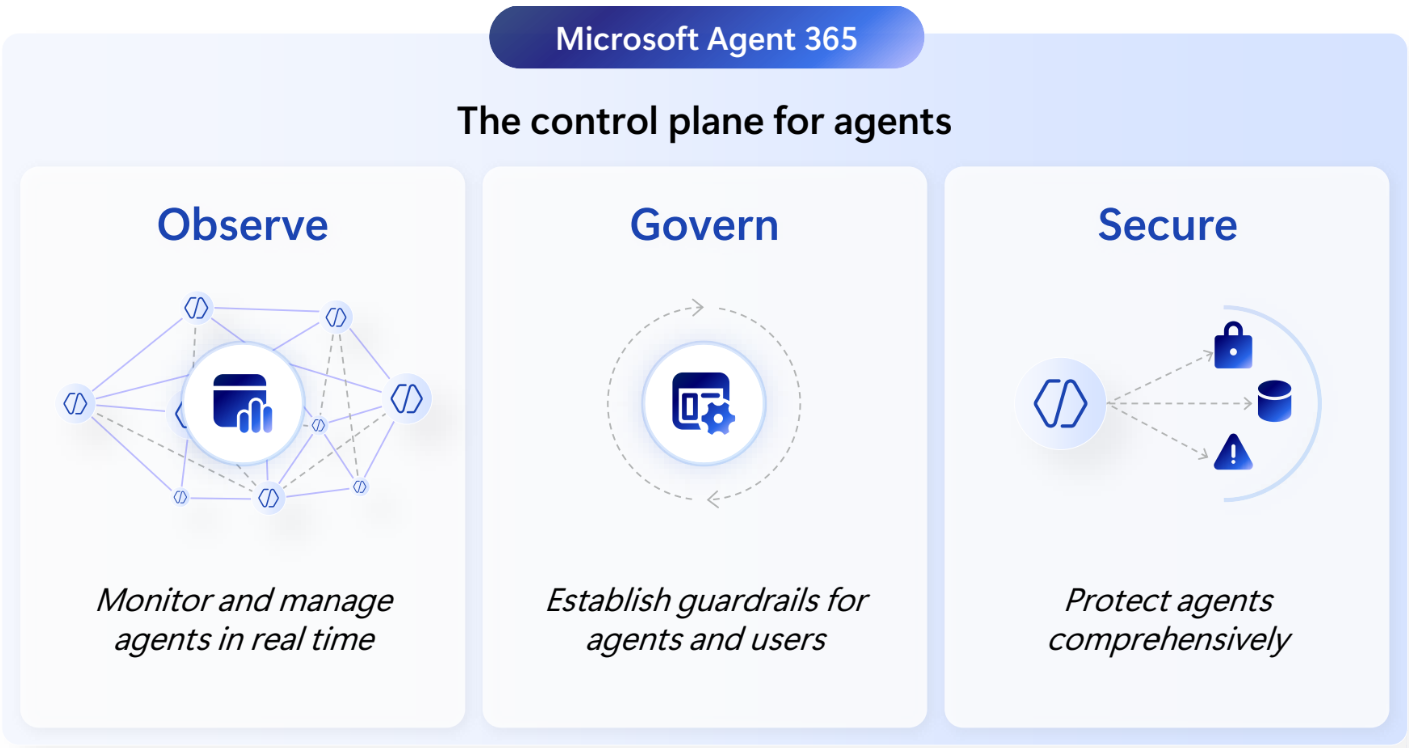
Source: Microsoft Agent 365 overview.
Why Agent 365 matters
Without an agent control plane, enterprises usually face four recurring problems:
- Fragmented inventory: teams cannot answer which agents exist, who owns them, what they can access, and where they are active.
- Weak governance: onboarding, approvals, and lifecycle actions vary by team, creating inconsistent risk posture.
- Incomplete security: identity, runtime behavior, and data exfiltration controls are applied unevenly across agent types.
- Unclear value: leadership sees spend growth but cannot consistently tie usage to business outcomes.
Agent 365 addresses these gaps by centralizing control while preserving delivery velocity for platform and product teams.
Conceptual architecture
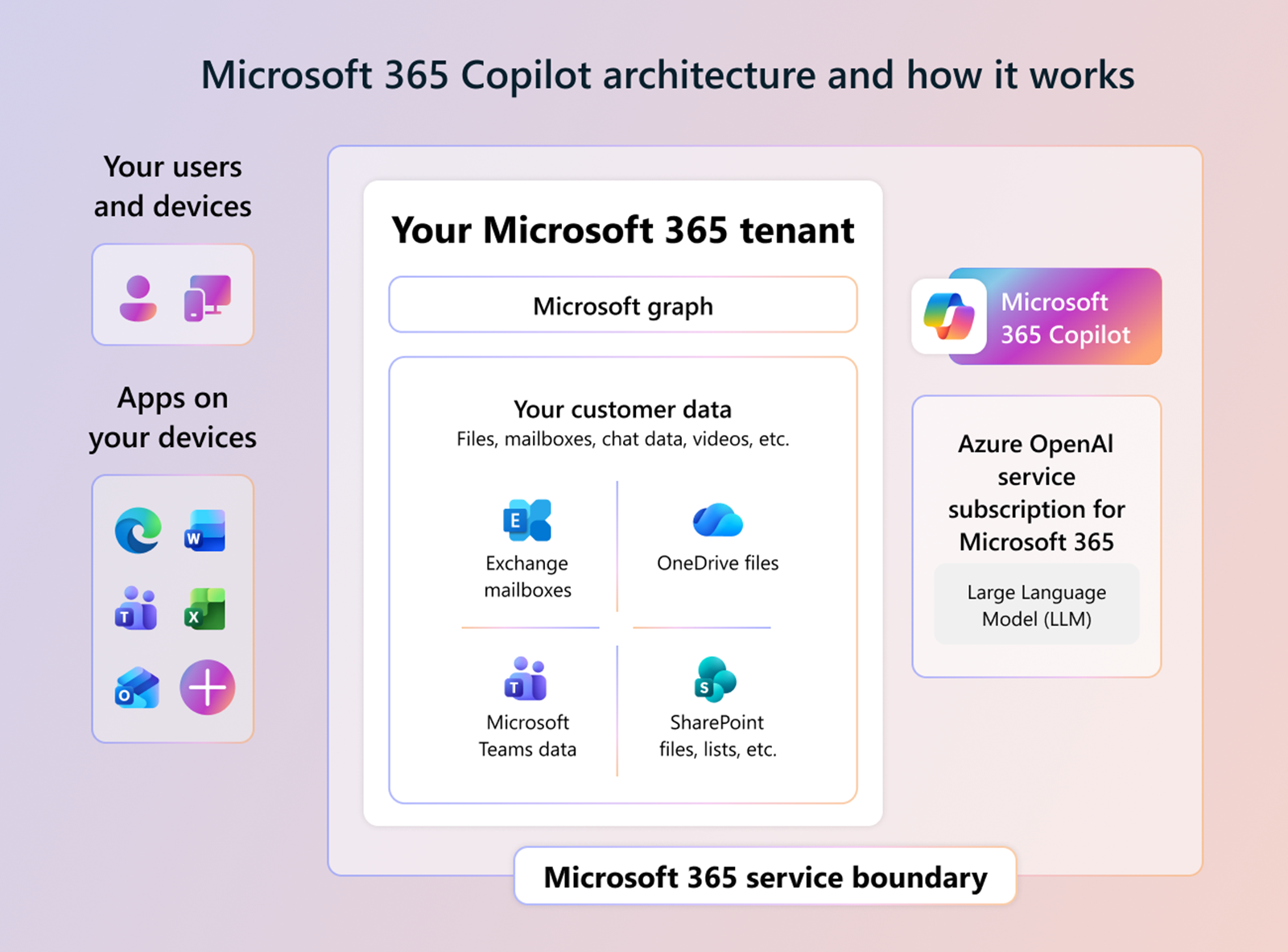
Source: Microsoft 365 Copilot architecture.
At a practical level, most Agent 365 designs have these layers:
- Experience layer: Microsoft 365 Copilot, Copilot Studio agents, and integrated third-party or custom agents.
- Control layer: Agent registry, Agent Map, policy templates, lifecycle actions, and admin workflows in Microsoft 365 admin center.
- Identity and policy layer: Microsoft Entra access controls, conditional access, and role separation.
- Data and compliance layer: Microsoft Purview information protection, data loss prevention (DLP (data loss prevention)), and compliance workflows.
- Threat defense layer: Microsoft Defender detections, posture assessments, and response workflows.
How prompt-to-response fits governance
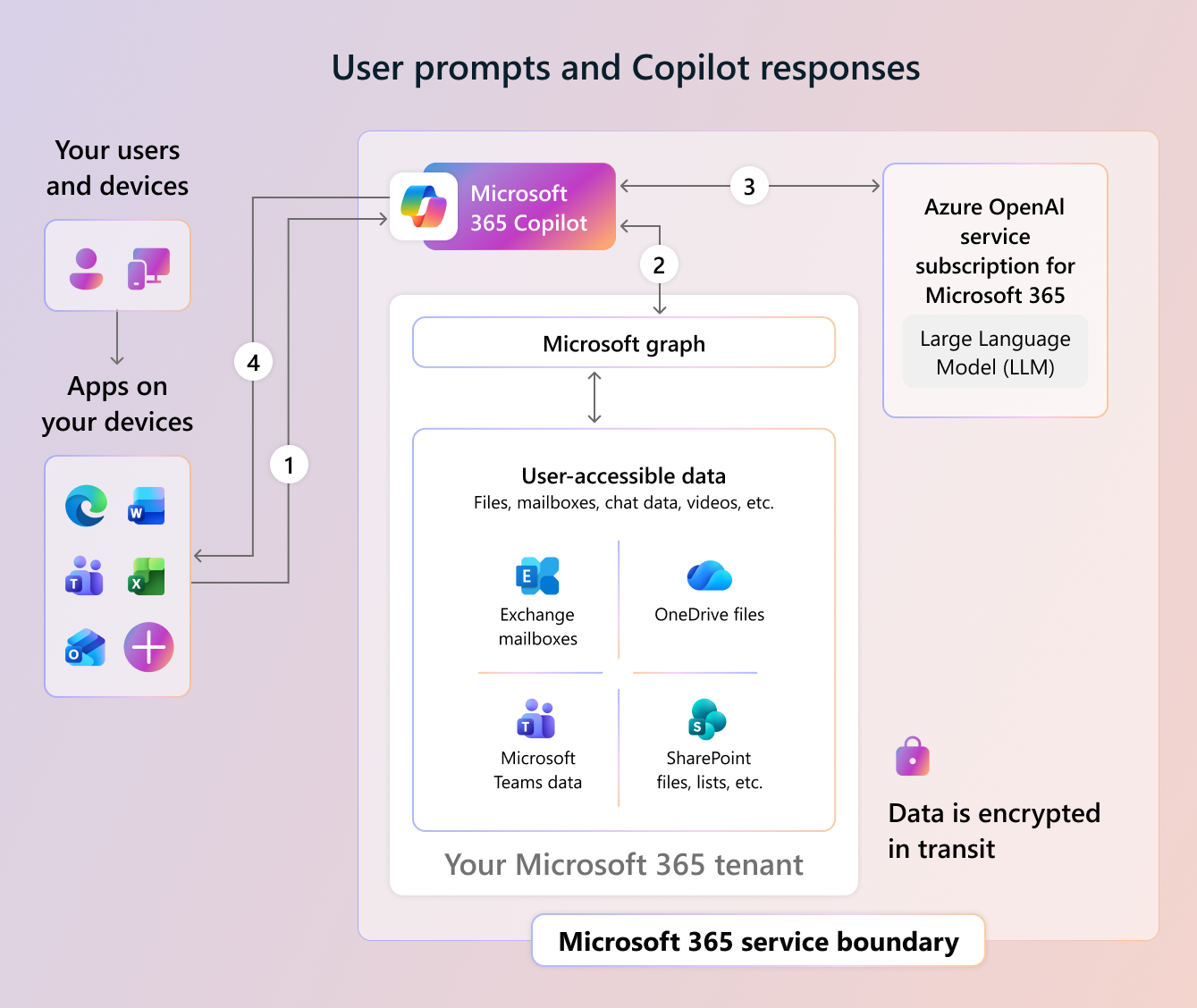
Source: How Microsoft 365 Copilot works.
Agent governance is strongest when prompt and response flow is treated as an auditable business process:
- User prompt enters approved channel.
- Grounding and context retrieval enforce effective permissions.
- Agent or model actions execute under defined identity and policy constraints.
- Response and side effects are observable, attributable, and reviewable.
Target operating outcomes
| Domain | Target outcome | Evidence you should expect |
|---|---|---|
| Discovery | Full agent inventory | Registry completeness, owner mapping, activity visibility |
| Governance | Consistent lifecycle control | Standard approvals, policy coverage, exception logs |
| Security | Reduced attack and leakage risk | Access hardening, detection fidelity, response times |
| Compliance | Audit-ready controls | Retention records, policy decisions, review evidence |
| Value | Measurable business impact | Adoption, productivity, risk reduction KPIs |
Business example
A global organization has over 200 agents across Microsoft 365 Copilot, Copilot Studio, and custom platforms. It implements Agent 365 to standardize onboarding, define owner accountability, enforce identity and data controls, and centralize runtime monitoring. Within two quarters, the organization reduces unknown agents to near zero, shortens approval times, and improves incident triage with clear ownership and telemetry.